This parent based treatment intervention reflects the treatment of childhood anxiety and OCD within an outpatient setting and highlights the importance of working with both the child and their caregivers. Research consistently demonstrates that family responses play a significant role in the maintenance and treatment of childhood anxiety. As a result, effective treatment extends beyond direct work with the child and often necessitates the inclusion of supporting parents in learning new ways to respond to anxiety-driven behaviors.

Treatment typically begins with parent-only consultation sessions designed to assess the child’s anxiety symptoms, identify patterns of family accommodation, understand the impact of anxiety on daily functioning, and develop a collaborative treatment plan. Ongoing work with parents remains a central component of treatment, as caregivers are often in the best position to implement meaningful changes that support their child’s progress across home, school, and community settings.
A primary framework used in this work is the Supportive Parenting for Anxious Childhood Emotions (SPACE) model, developed by Eli Lebowitz at Yale Child Study Center. SPACE is a parent-based treatment for childhood anxiety and OCD that focuses on reducing family accommodation—well-intentioned changes parents make to help a child avoid distress, anxiety triggers, uncertainty, or discomfort. While these accommodations often provide short-term relief, they can inadvertently reinforce anxiety over time and limit a child’s opportunities to develop confidence and coping skills.
The SPACE model teaches parents how to respond supportively and empathically to their child’s distress while gradually reducing accommodations that maintain anxiety symptoms. Parents learn to communicate confidence in their child’s ability to manage difficult feelings, set appropriate limits around anxiety-driven behaviors, and tolerate the discomfort that can accompany change. This approach allows children to develop resilience and experience mastery without requiring them to participate directly in treatment.

Research has demonstrated that SPACE is an effective intervention for childhood anxiety disorders and OCD. Clinical trials have found that parent-based SPACE treatment produces outcomes comparable to traditional cognitive behavioral therapy (CBT) for reducing anxiety symptoms. Studies have also shown significant reductions in family accommodation, improvements in child functioning, and decreases in overall anxiety severity. Importantly, SPACE has been found to be particularly helpful for families in which children are reluctant or unwilling to participate in treatment, as meaningful clinical improvement can occur through changes in parent behavior alone. While parent consultation and SPACE-informed interventions are often the foundation of treatment, recommendations may also be made for additional services based on the child’s presentation and needs.
These recommendations may include comprehensive psychological or neuropsychological evaluation, psychiatric consultation, individual therapy, cognitive behavioral therapy, exposure and response prevention (ERP) for OCD, social skills interventions, school-based supports, parent training programs, or other behavioral health services. Coordination with schools, pediatricians, psychiatrists, psychologists, and other treatment providers may also be recommended to ensure a comprehensive and integrated approach to care.
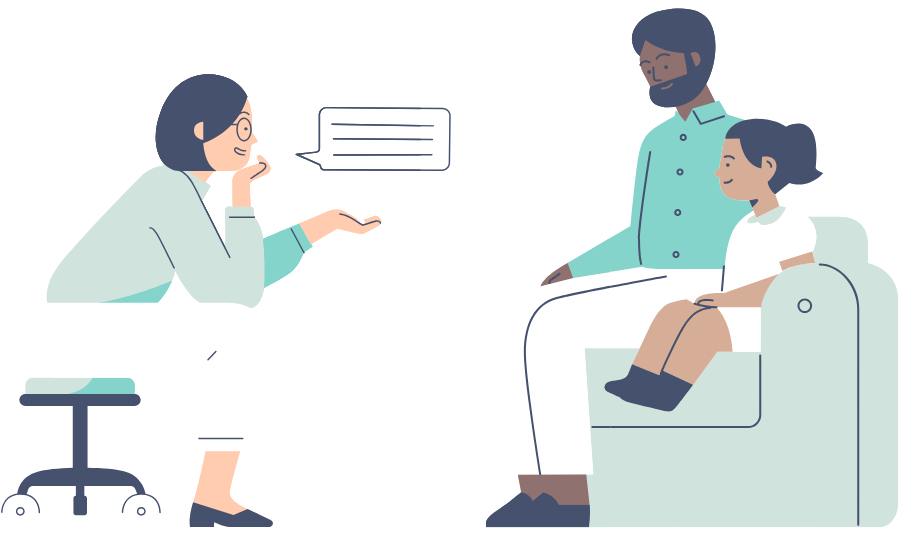
Within the outpatient setting, treatment includes psychoeducation about anxiety and OCD, assessment of accommodation patterns, coaching parents in the implementation of SPACE principles, development of supportive communication strategies, and ongoing monitoring of family responses to anxiety. Depending on clinical needs and treatment goals, services may include parent-only sessions, family sessions, direct consultation with the child, or coordination with other providers and systems involved in the child’s care.
The overall goal is to help families respond to anxiety in ways that are compassionate, consistent, and evidence-based while fostering increased independence, emotional regulation, and confidence in the child. By reducing accommodation and strengthening supportive parenting practices, families can create opportunities for children to face challenges, build coping skills, and experience lasting reductions in anxiety-related impairment.
This parent based treatment intervention reflects the treatment of childhood anxiety and OCD within an outpatient setting and highlights the importance of working with both the child and their caregivers. Research consistently demonstrates that family responses play a significant role in the maintenance and treatment of childhood anxiety. As a result, effective treatment extends beyond direct work with the child and often necessitates the inclusion of supporting parents in learning new ways to respond to anxiety-driven behaviors.
Treatment typically begins with parent-only consultation sessions designed to assess the child’s anxiety symptoms, identify patterns of family accommodation, understand the impact of anxiety on daily functioning, and develop a collaborative treatment plan. Ongoing work with parents remains a central component of treatment, as caregivers are often in the best position to implement meaningful changes that support their child’s progress across home, school, and community settings.
A primary framework used in this work is the Supportive Parenting for Anxious Childhood Emotions (SPACE) model, developed by Eli Lebowitz at Yale Child Study Center. SPACE is a parent-based treatment for childhood anxiety and OCD that focuses on reducing family accommodation—well-intentioned changes parents make to help a child avoid distress, anxiety triggers, uncertainty, or discomfort. While these accommodations often provide short-term relief, they can inadvertently reinforce anxiety over time and limit a child’s opportunities to develop confidence and coping skills.
The SPACE model teaches parents how to respond supportively and empathically to their child’s distress while gradually reducing accommodations that maintain anxiety symptoms. Parents learn to communicate confidence in their child’s ability to manage difficult feelings, set appropriate limits around anxiety-driven behaviors, and tolerate the discomfort that can accompany change. This approach allows children to develop resilience and experience mastery without requiring them to participate directly in treatment.
Research has demonstrated that SPACE is an effective intervention for childhood anxiety disorders and OCD. Clinical trials have found that parent-based SPACE treatment produces outcomes comparable to traditional cognitive behavioral therapy (CBT) for reducing anxiety symptoms. Studies have also shown significant reductions in family accommodation, improvements in child functioning, and decreases in overall anxiety severity. Importantly, SPACE has been found to be particularly helpful for families in which children are reluctant or unwilling to participate in treatment, as meaningful clinical improvement can occur through changes in parent behavior alone. While parent consultation and SPACE-informed interventions are often the foundation of treatment, recommendations may also be made for additional services based on the child’s presentation and needs.
These recommendations may include comprehensive psychological or neuropsychological evaluation, psychiatric consultation, individual therapy, cognitive behavioral therapy, exposure and response prevention (ERP) for OCD, social skills interventions, school-based supports, parent training programs, or other behavioral health services. Coordination with schools, pediatricians, psychiatrists, psychologists, and other treatment providers may also be recommended to ensure a comprehensive and integrated approach to care.
Within the outpatient setting, treatment includes psychoeducation about anxiety and OCD, assessment of accommodation patterns, coaching parents in the implementation of SPACE principles, development of supportive communication strategies, and ongoing monitoring of family responses to anxiety. Depending on clinical needs and treatment goals, services may include parent-only sessions, family sessions, direct consultation with the child, or coordination with other providers and systems involved in the child’s care.
The overall goal is to help families respond to anxiety in ways that are compassionate, consistent, and evidence-based while fostering increased independence, emotional regulation, and confidence in the child. By reducing accommodation and strengthening supportive parenting practices, families can create opportunities for children to face challenges, build coping skills, and experience lasting reductions in anxiety-related impairment.